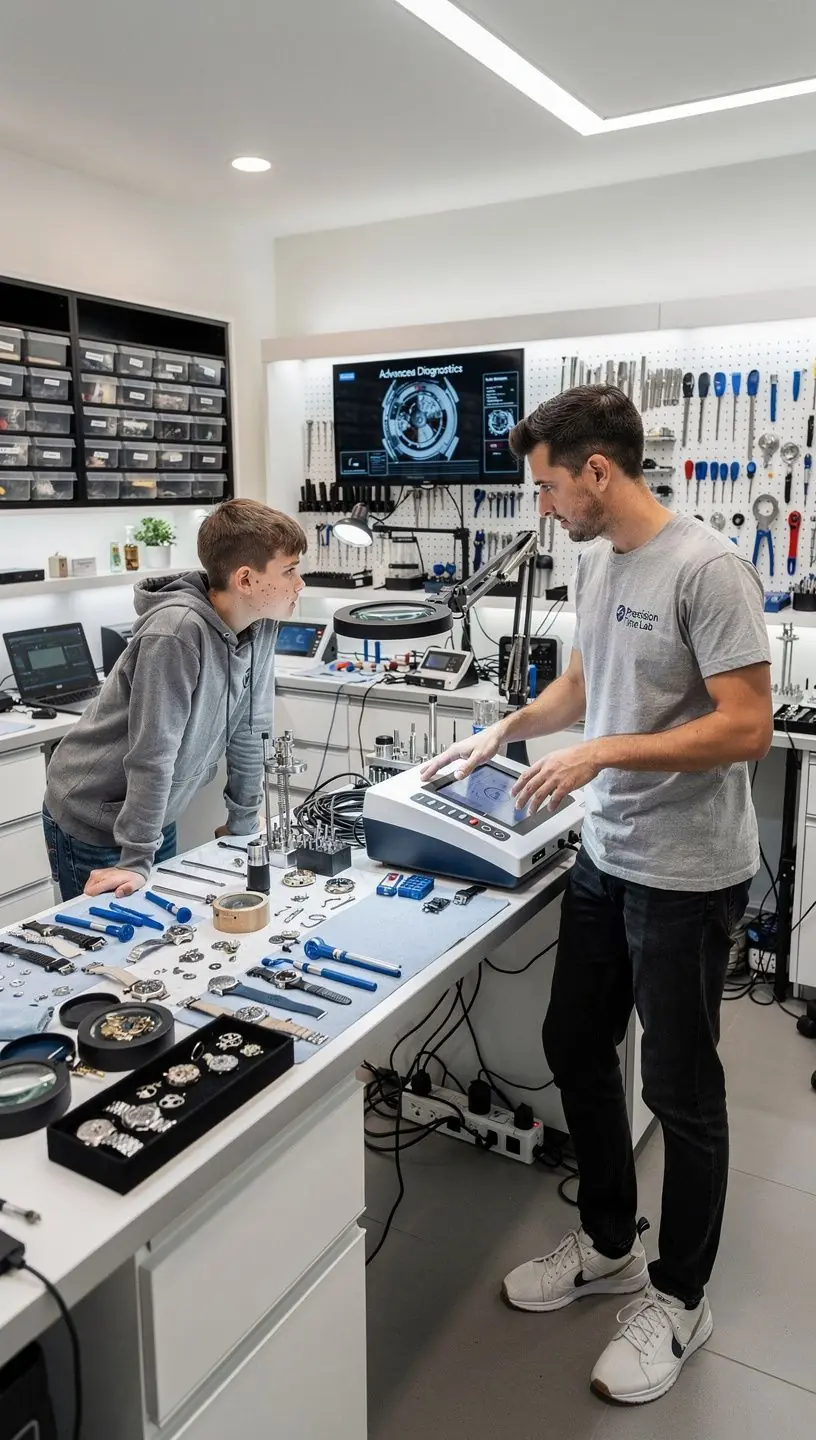
The Benefits of Offline Diagnostics in Watch Repair
In the intricate world of watch repair, understanding the mechanisms of a timepiece is crucial. Offline diagnostics offer a unique approach to watch servicing, emphasizing thorough analysis without reliance on digital diagnostics. This article explores the numerous benefits of offline diagnostics in watch repair, particularly in mechanical servicing, restoration, and maintenance.
Understanding Offline Diagnostics
Offline diagnostics refers to the practice of assessing and diagnosing watch issues without the assistance of electronic devices. This method typically involves hands-on examination by skilled technicians who utilize traditional tools and techniques. According to experts in horology, this approach can provide a deeper understanding of the watch's mechanics and any underlying issues.

"The principle behind offline diagnostics is to rely on expert intuition and tactile feedback, which can often reveal problems that electronic tools might miss."
The Benefits of Offline Diagnostics
- In-Depth Analysis: Offline diagnostics allow for a comprehensive examination of a watch’s components. Many users report that this detailed inspection can identify subtle issues, such as wear on gears or misalignments, which may not be detected through standard electronic diagnostics.
- Preservation of Mechanical Integrity: Mechanical watches are valued for their craftsmanship. By utilizing offline diagnostic methods, technicians can ensure that any restoration work maintains the original integrity of the watch, which is often a top priority for collectors and enthusiasts.
- Expert Assessment: The experience of a qualified watchmaker plays a significant role in the diagnostic process. Industry experts suggest that hands-on assessment often leads to more reliable conclusions about a watch's condition. This is particularly important for vintage timepieces, where electronic diagnostics may not be as effective.
How Offline Diagnostics Works
The offline diagnostic process typically involves several key steps:
- Visual Inspection: The technician begins with a thorough visual inspection, looking for signs of damage, corrosion, or wear.
- Disassembly: For deeper analysis, the watch may be disassembled to allow examination of its internal components. This step is crucial for identifying hidden issues.
- Manual Testing: The technician will utilize tools such as magnifying glasses and jeweler’s loupes to manually test the movement, checking for smoothness and accuracy.
- Reassembly and Testing: After repairs or adjustments, the watch is meticulously reassembled and tested for accuracy and functionality, ensuring it meets industry standards.
Realistic Timeframes and Limitations
While offline diagnostics can be highly effective, it’s essential to set realistic expectations. The entire diagnostic and repair process typically takes 2-4 weeks, depending on the complexity of the repairs needed. Additionally, while offline diagnostics are beneficial for many mechanical watches, they may not be suitable for all types, particularly quartz movements where electronic diagnostics can sometimes provide quicker solutions.
Conclusion
Offline diagnostics in watch repair provide a reliable and thorough approach to understanding and restoring timepieces. This method emphasizes the importance of skilled craftsmanship and expert assessment, ensuring that mechanical watches receive the care they deserve. By focusing on traditional techniques, watchmakers can uncover issues that may elude modern technology, ultimately preserving the beauty and functionality of these intricate machines.
Learn More