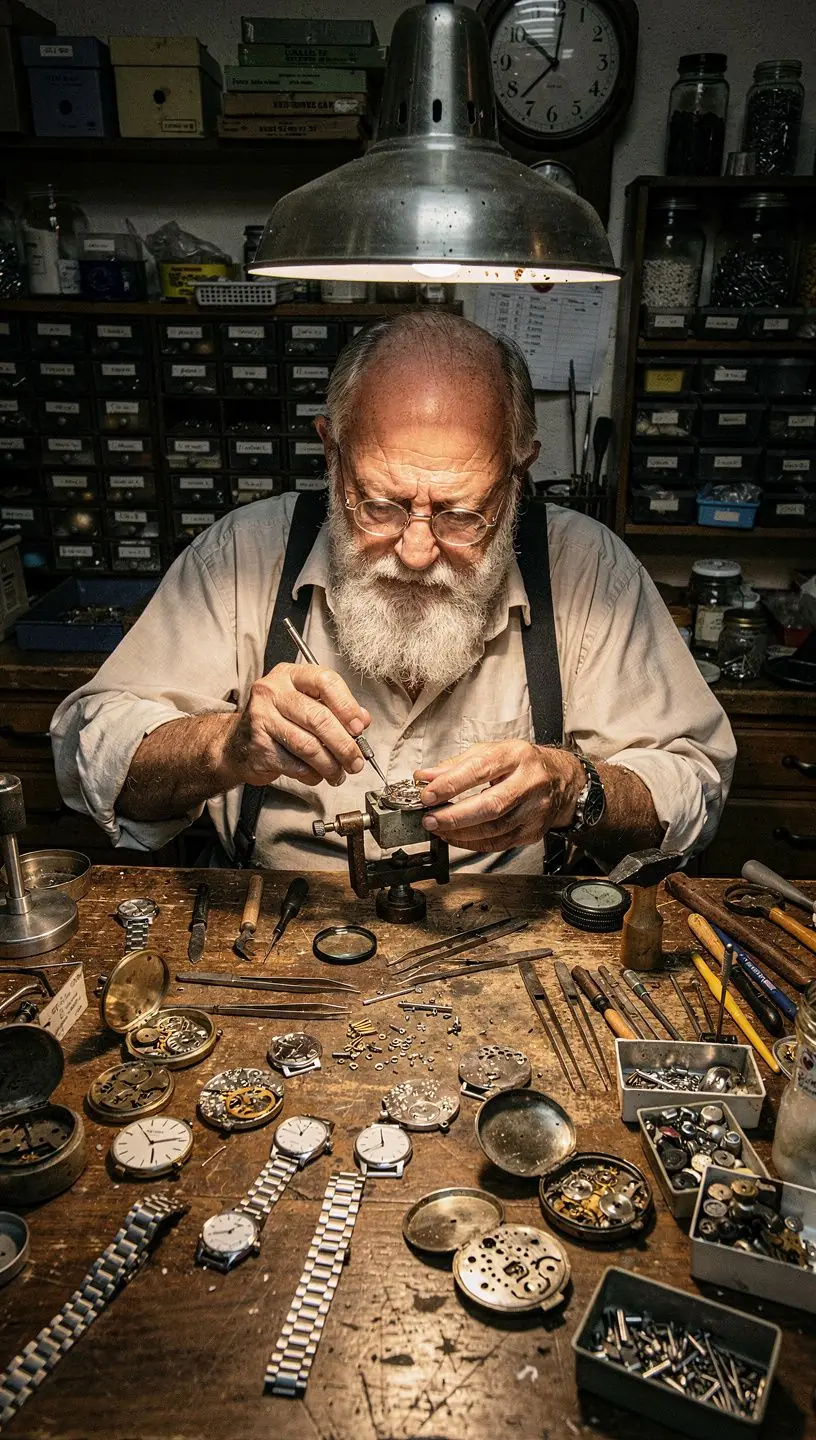
How to Diagnose Common Watch Issues
Understanding how to diagnose common watch issues can prolong the life of your timepiece. In this article, we will explore practical insights into identifying problems that may arise with mechanical watches, focusing on offline diagnostics typically employed in the industry.
Understanding Mechanical Watches
Mechanical watches, unlike their quartz counterparts, rely on intricate gear systems and wind mechanisms to function. According to industry experts, regular maintenance is crucial to keep them operating optimally. In many cases, watches may exhibit signs of distress that can be diagnosed with careful observation.
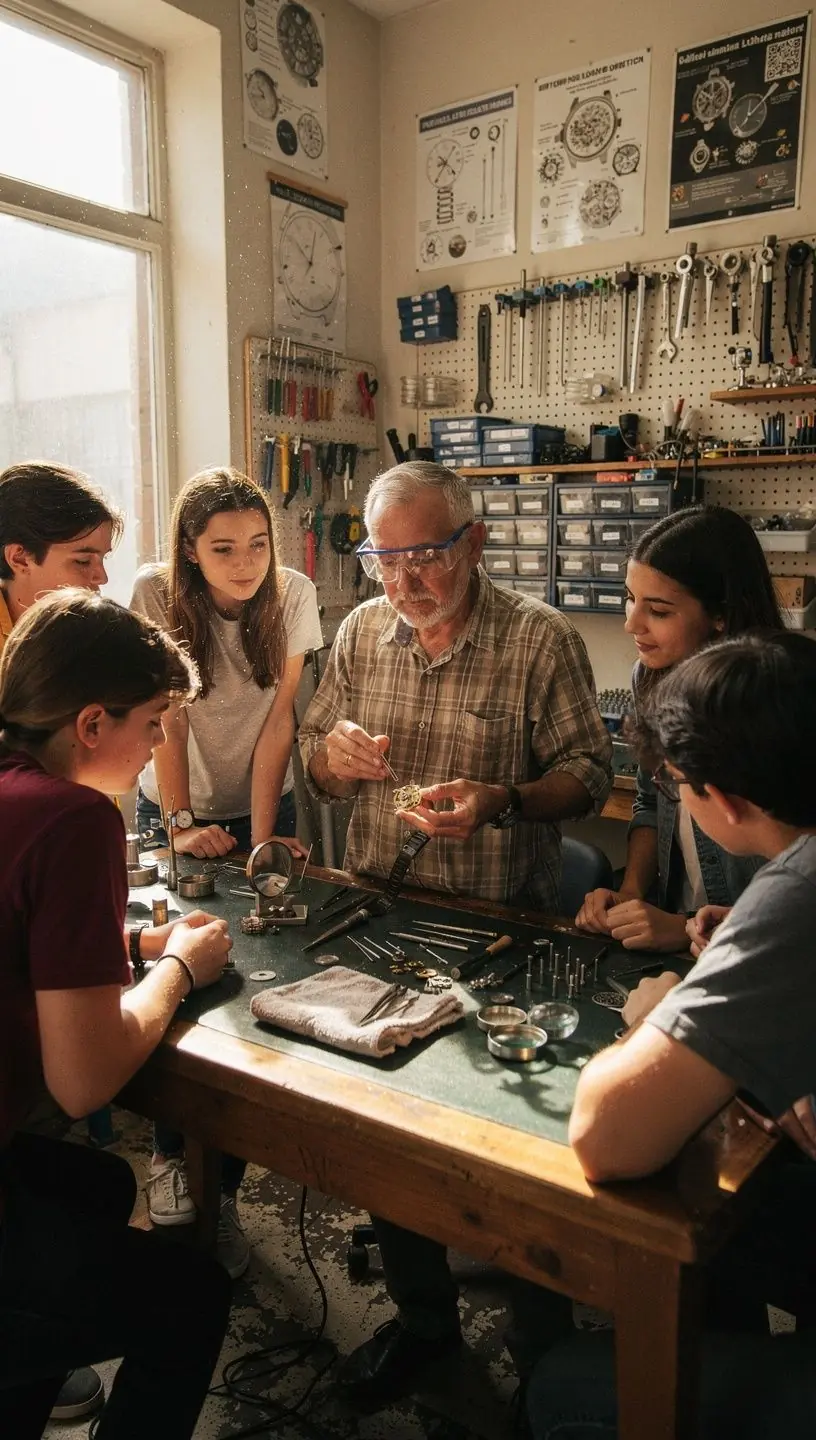
"Routine diagnostics can significantly enhance the longevity of your mechanical timepiece." - Watch Repair Experts
Common Issues and Their Symptoms
Here are some frequent problems encountered with mechanical watches and their indicative symptoms:
- Timekeeping Accuracy: If your watch is consistently gaining or losing time, it may indicate the need for regulation or cleaning.
- Winding Issues: Difficulty in winding the watch may suggest that the mainspring is damaged or that the movement is dirty.
- Moisture Intrusion: Signs of condensation or fogging under the crystal suggest that the watch may require sealing or immediate service.
How to Diagnose Watch Problems
Diagnosing watch issues typically involves a systematic approach:
- Visual Inspection: Examine the watch for any obvious signs of damage such as cracks in the crystal or loose parts.
- Functional Testing: Test the winding mechanism and observe if the watch is keeping time accurately over a short period.
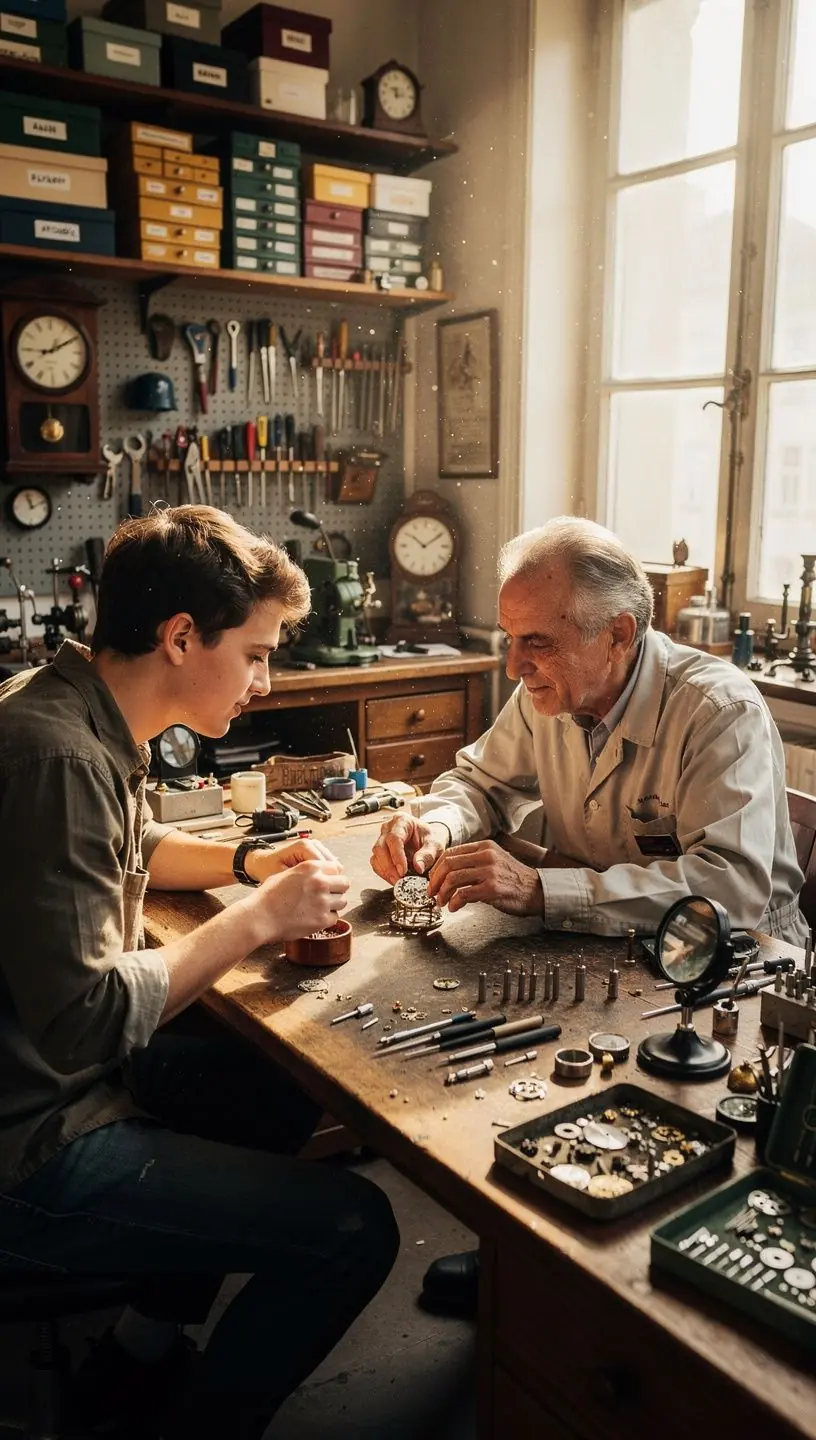
- Consulting the Experts: If symptoms persist, consulting a trained watchmaker who can perform offline diagnostics is often recommended.
Importance of Professional Maintenance
While some watch issues can be diagnosed at home, many require professional attention. Research indicates that routine servicing every 3-5 years can help prevent more serious problems from developing. According to watch repair standards, an effective cleaning process typically takes 2-4 weeks and requires specialized tools.
"Regular maintenance not only prolongs the life of your watch but can significantly improve its performance." - Industry Standards
Conclusion
In conclusion, diagnosing common watch issues is an essential skill for watch enthusiasts. By understanding the symptoms and employing systematic diagnostic methods, you can effectively identify problems early. Always remember that while basic checks can be performed at home, involving a professional watch repair service is crucial for complex issues. This balanced approach to watch care can enhance your timepiece's longevity and reliability.