Understanding the Mechanics of Automatic Watches
Automatic watches are beloved not just for their aesthetic appeal but for their intricate mechanics. In this article, we will explore the foundational principles behind automatic watches, how they function, and why proper maintenance is crucial for longevity.
Understanding the Basics of Automatic Watches
Automatic watches, also known as self-winding watches, operate through the movement of the wearer’s arm. According to industry experts, this mechanism relies on a rotor that moves with the motion of the wearer's wrist, winding the mainspring and thereby powering the watch. This design eliminates the need for a battery and allows the watch to run as long as it is worn regularly.
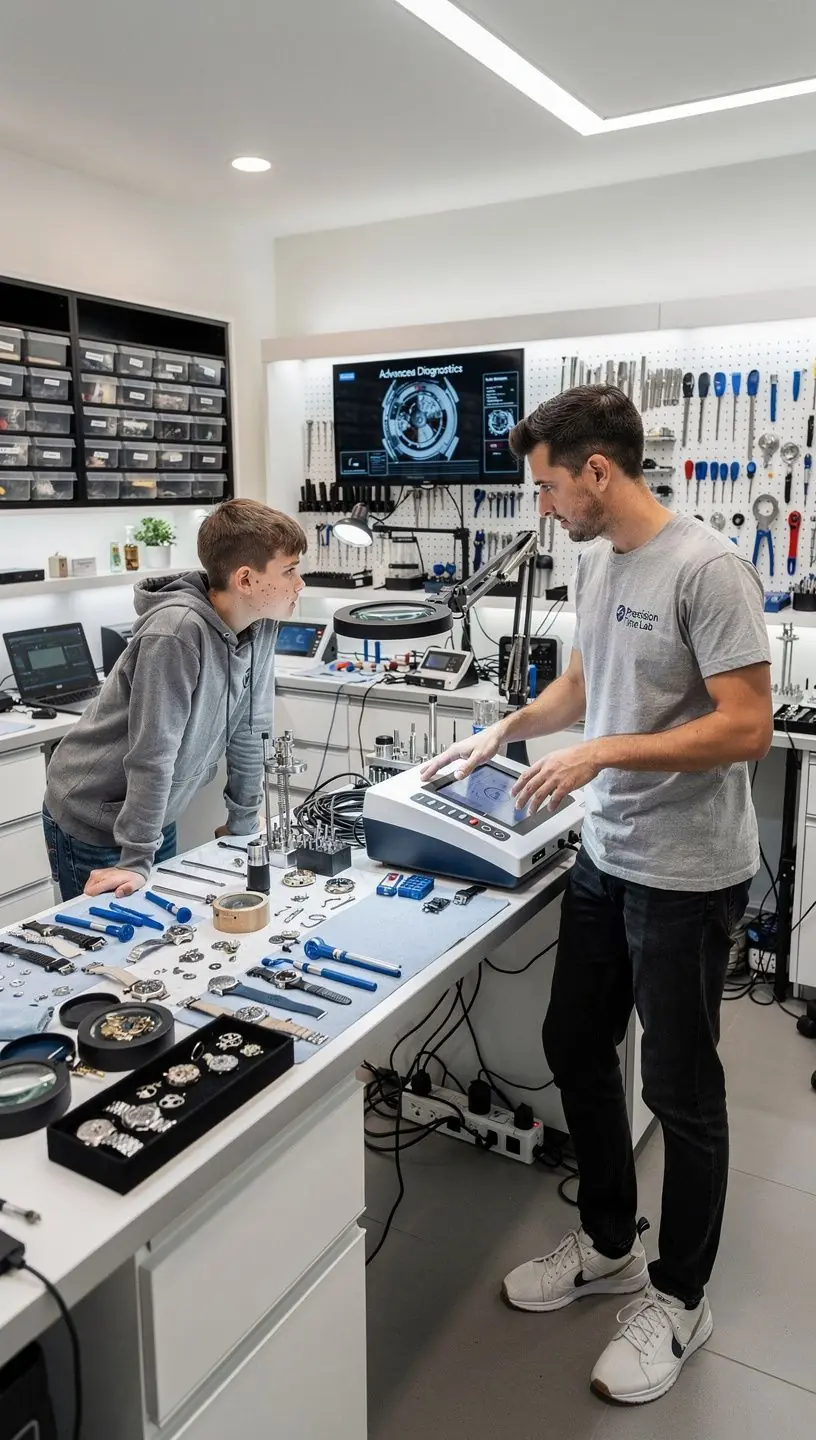
"The principle behind the automatic movement is that energy from motion is converted into stored energy, which powers the watch." — Watchmaking Expert
How Automatic Watches Function
The mechanics of an automatic watch can appear complex at first glance, but they primarily hinge on a few key components:
- Rotor: A semi-circular weight that pivots on a central axis, turning with wrist movement.
- Mainspring: A coiled spring that stores energy and is wound by the rotor's movement.
- Gear Train: Transmits the energy from the mainspring to the escapement, regulating the watch's timekeeping.
As the rotor spins, it transfers energy to the mainspring through gears, which ultimately powers the watch. This effective design can keep time accurately, typically within a few seconds per day, depending on the watch’s quality and design.
Common Issues and Maintenance Tips
While automatic watches are robust, they are not immune to wear and tear. Many users report that neglecting maintenance can lead to reduced performance or even complete failure. Here are some common issues and recommended practices:
- Lubrication: Over time, the lubricants inside the movement can dry out. It is advisable to have your watch serviced every 3-5 years, according to watchmakers.
- Water Resistance: Regularly check gaskets and seals to maintain water resistance. Exposure to moisture can damage the movement.
- Storage: If not worn regularly, consider using a watch winder to keep the movement functioning and lubricants evenly distributed.
Conclusion
Understanding the mechanics of automatic watches can enhance your appreciation for these intricate timepieces. Regular maintenance, including timely servicing and proper care, will ensure that your watch remains functional and retains its value over time. Remember, while automatic watches provide a reliable means of timekeeping, they require a commitment to care and upkeep. Investing in maintenance is an effective way to prolong the life of your cherished watch.