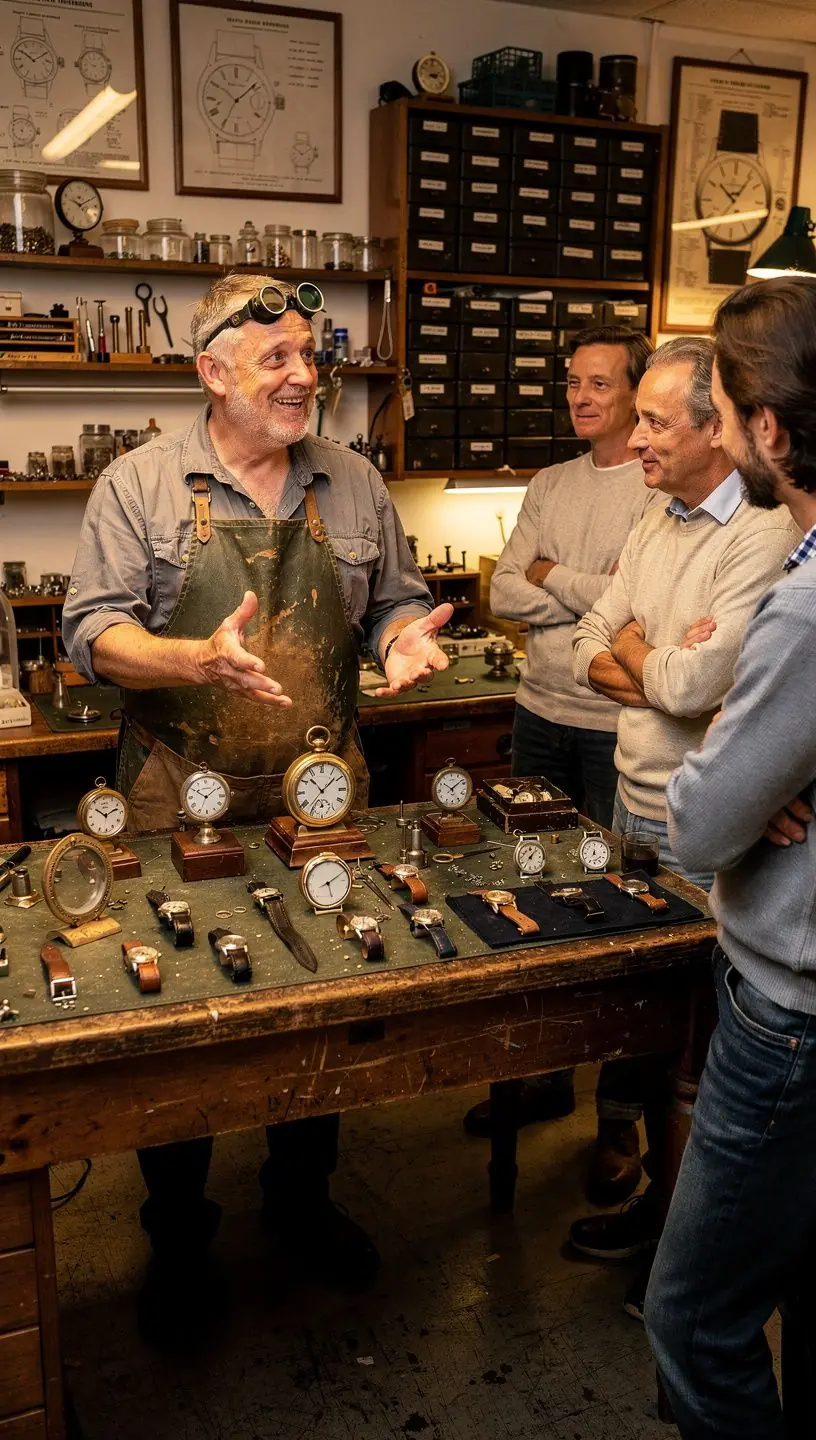
The Importance of Regular Watch Maintenance
In a world where time is precious, maintaining your watch is crucial for both functionality and longevity. Regular watch maintenance can significantly enhance the lifespan of your timepiece, ensuring it remains both an accessory and a reliable tool.
Understanding the Basics of Watch Maintenance
According to industry experts, regular maintenance is essential for mechanical watches. This is because mechanical components can wear down over time due to friction and environmental factors. The principle behind watch maintenance is quite straightforward: preventive care can save you from costly repairs down the line.
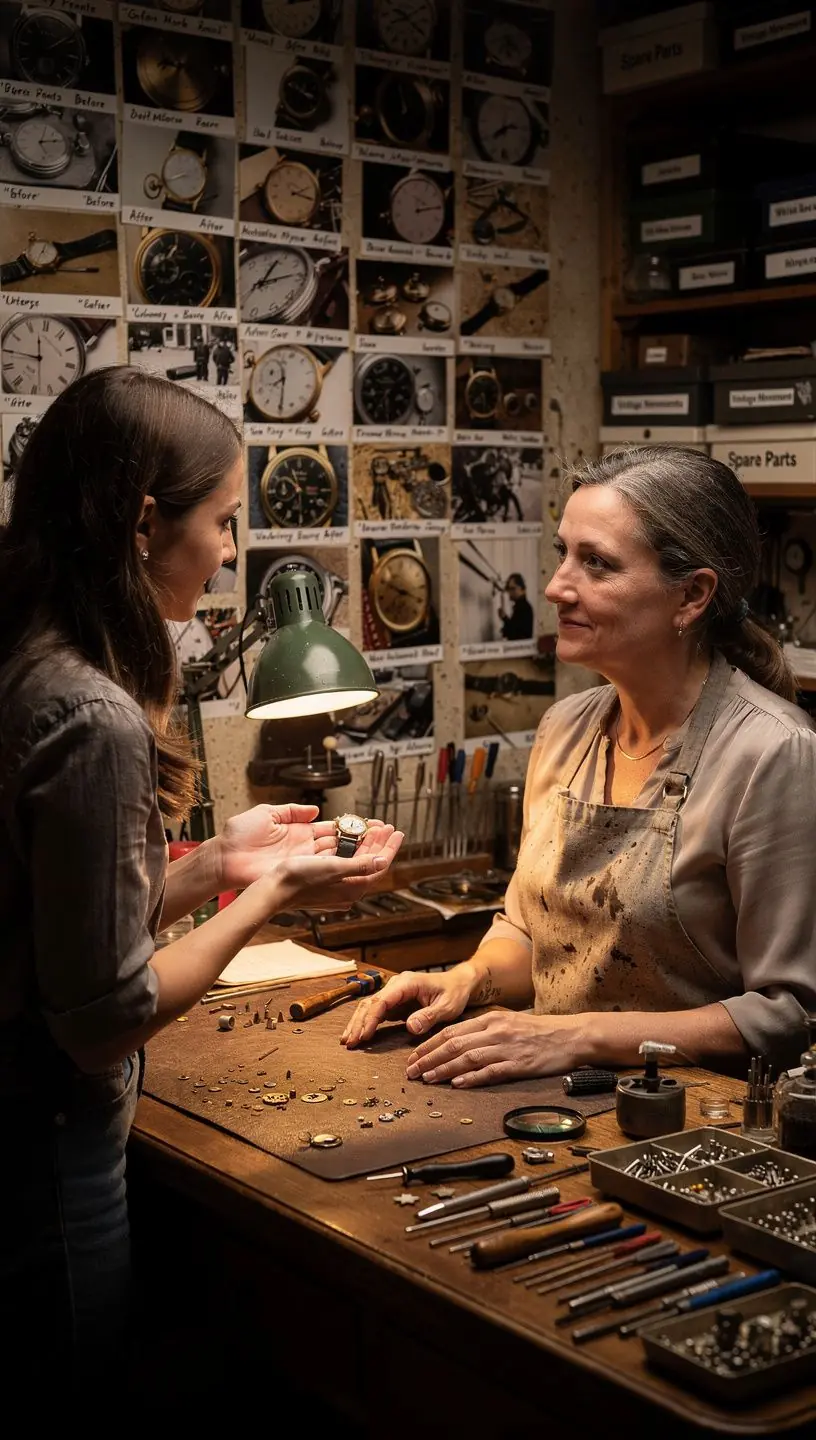
"Regular servicing can extend the life of your watch significantly, often resulting in a more accurate timekeeping experience."
Why Maintenance Matters
Many users report that their watches perform better and last longer when they undergo regular maintenance. Here are some reasons why:
- Improves Accuracy: Regular servicing helps to clean and lubricate the watch's components, ensuring they function smoothly, thus improving timekeeping accuracy. Studies show that well-maintained watches can be 10-20% more accurate than those that are neglected.
- Prevents Damage: Regular inspections can identify potential issues before they become serious problems. For instance, a worn gasket could lead to water damage, which might necessitate expensive repairs.
- Preserves Value: A well-maintained watch generally retains its value better than one that has not been serviced. Collectors often seek watches with documented maintenance histories, as they are viewed as more reliable and valuable.
How to Approach Watch Maintenance
The process of maintaining a watch typically involves several steps:
- Regular Cleaning: It is advisable to clean your watch regularly to prevent dust and dirt buildup. This can often be done at home for quartz watches, but mechanical ones should be handled by professionals.
- Periodic Servicing: Experts recommend servicing your watch every 3-5 years, depending on usage and the manufacturer's guidelines. This usually involves a full disassembly, cleaning, lubrication, and reassembly of the watch.
- Diagnostic Checks: Offline diagnostics can help assess your watch's condition. Many watch repair studios provide these services, allowing you to understand what specific maintenance your watch may require.
What to Expect from Professional Service
When you take your watch for professional servicing, it typically involves:
- A detailed inspection to assess its condition.
- Cleaning of all internal and external components.
- Lubrication of moving parts, which is crucial for smooth operation.
- Testing for accuracy, water resistance, and functionality.
This process usually takes 2-4 weeks, depending on the complexity of the timepiece and the workshop’s workload.
Conclusion
Regular watch maintenance is not just a recommendation; it's a necessity for anyone who values their timepiece. By understanding the importance of maintenance and adhering to recommended practices, you can ensure that your watch remains a reliable companion for years to come. Investing in your watch now can lead to significant benefits in the future, safeguarding both its performance and value.
Learn More