How Temperature Affects Watch Performance
Understanding how temperature influences the performance of mechanical watches is essential for enthusiasts and casual wearers alike. This article explores the relationship between temperature and watch functionality, providing insights into why maintaining optimal conditions is crucial for longevity and accuracy.
Understanding the Basics
Mechanical watches operate based on intricate movements that require precise tolerances. According to studies in horology, temperature variations can significantly impact these tolerances, affecting the watch's accuracy and overall performance. The principle behind this is that metals and lubricants used in watch movements expand or contract with temperature changes, leading to potential deviations in timekeeping.
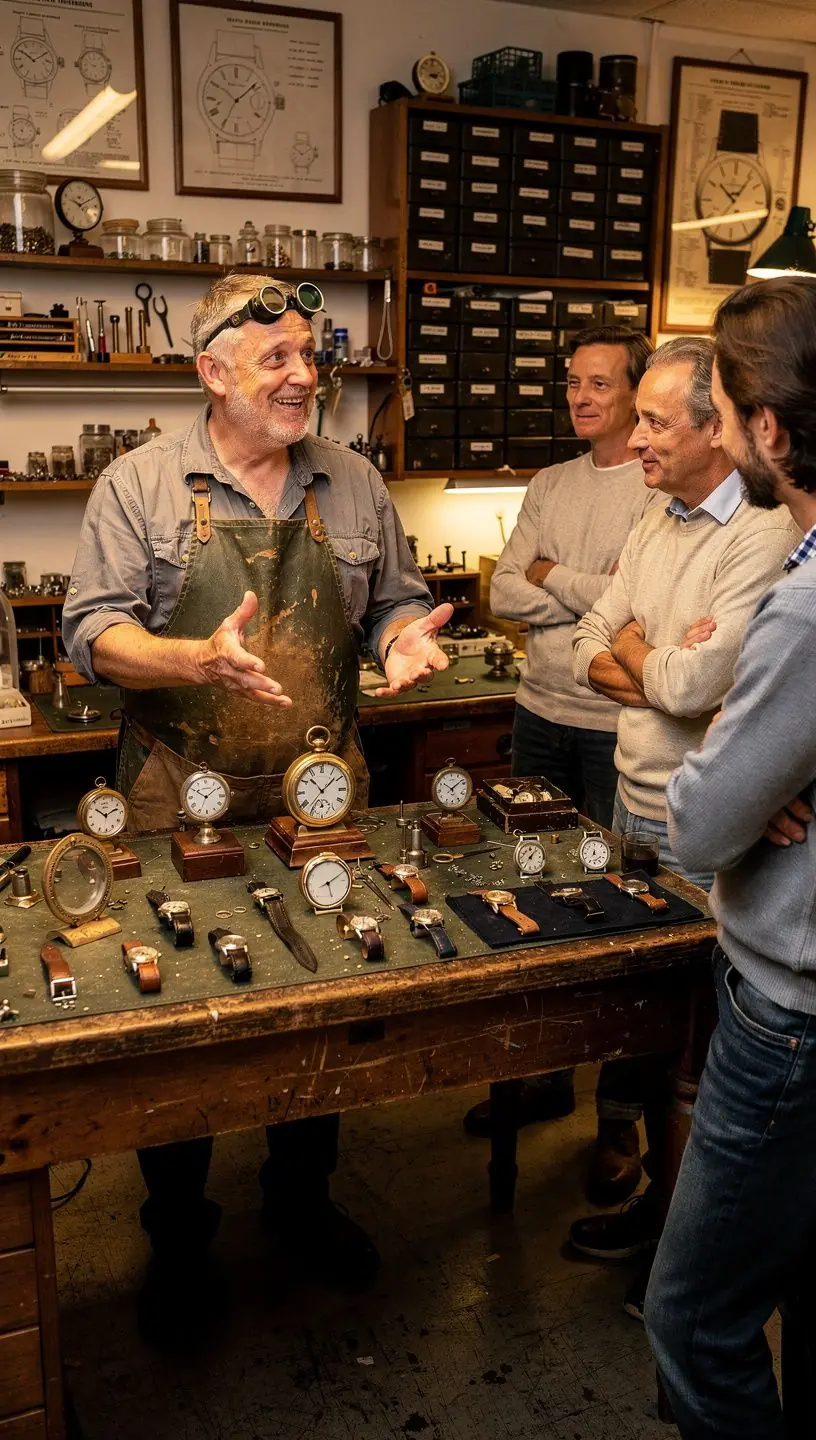
"Many experts in horology emphasize that even small temperature changes, often within a range of just a few degrees Celsius, can lead to noticeable discrepancies in timekeeping."
Temperature's Impact on Mechanical Movements
When exposed to varying temperatures, several components within a watch can react differently:
- Lubrication: The oils used in the movement can thicken in cold temperatures and thin out in heat, impacting friction levels and wear.
- Material Expansion: Metal parts such as gears and springs expand and contract, which can alter the fit and function, potentially causing jamming or inaccurate timekeeping.
- Power Reserve: Extreme temperatures can affect the power reserve of the watch, leading to variations in how long the watch will run accurately.
Practical Tips for Watch Owners
To maintain your watch's performance and protect it from temperature-related issues, consider the following tips:
- Avoid Extreme Temperatures: Keep your watch away from direct sunlight and avoid exposing it to extreme cold or heat. This is especially important for mechanical watches, as they are more sensitive to these changes.
- Regular Maintenance: Schedule routine servicing at a qualified watch repair studio, which typically takes 2-4 weeks, to ensure that lubricants are properly applied and that all components are functioning correctly.
- Control Storage Conditions: When storing your watch, use a temperature-controlled environment to minimize exposure to fluctuations that could affect its performance.
Conclusion
In summary, understanding the effects of temperature on mechanical watch performance is vital for ensuring longevity and accuracy. By following the recommended practices and being mindful of temperature fluctuations, watch owners can help maintain their timepieces in optimal condition. Remember that regular maintenance and care are essential in preserving the reliability of your watch, allowing it to serve you well for years to come.