Practical Tips for Extending Watch Lifespan
Caring for your mechanical watch is essential for ensuring its longevity and performance. This article provides effective strategies, supported by research and expert recommendations, to help you maintain your watch in optimal condition.
Understanding the Basics of Watch Maintenance
Mechanical watches are intricate devices that typically require regular maintenance to operate effectively. According to the International Watchmaking Federation, routine servicing can significantly enhance a watch's longevity and reliability. This is primarily due to the delicate and precise nature of mechanical movements, which can be adversely affected by dust, moisture, and lack of lubrication.

"Regular maintenance and care are crucial in preserving the functionality and appearance of your watch." - Industry Expert
Practical Tips for Extending Your Watch's Lifespan
- Regular Cleaning: Experts recommend cleaning your watch every 6-12 months. Use a soft cloth to remove dirt and oils. For deeper cleaning, a professional service is advisable, as this often involves disassembling the watch for a thorough cleaning.
- Routine Servicing: Many users report that having their watch serviced every 3-5 years can help to prevent common issues such as moisture ingress and dust accumulation. This servicing typically includes lubrication, adjustment, and replacement of worn parts, which can prolong the watch's operational life.
- Avoid Extreme Conditions: Mechanical watches are often sensitive to extreme temperatures and magnetic fields. Keeping your watch away from environments that could cause condensation or magnetization is vital. In most cases, maintaining a stable environment can help keep your watch functioning correctly.
Understanding How and Why Maintenance Works
The principle behind regular maintenance is straightforward: mechanical movements rely on precise interactions among their components. Over time, these components can wear down or become misaligned, leading to performance issues. When a watch is serviced, lubricants are reapplied, and adjustments are made to ensure everything operates smoothly, which is why experts suggest adhering to a routine servicing schedule.
What to Expect During Professional Servicing
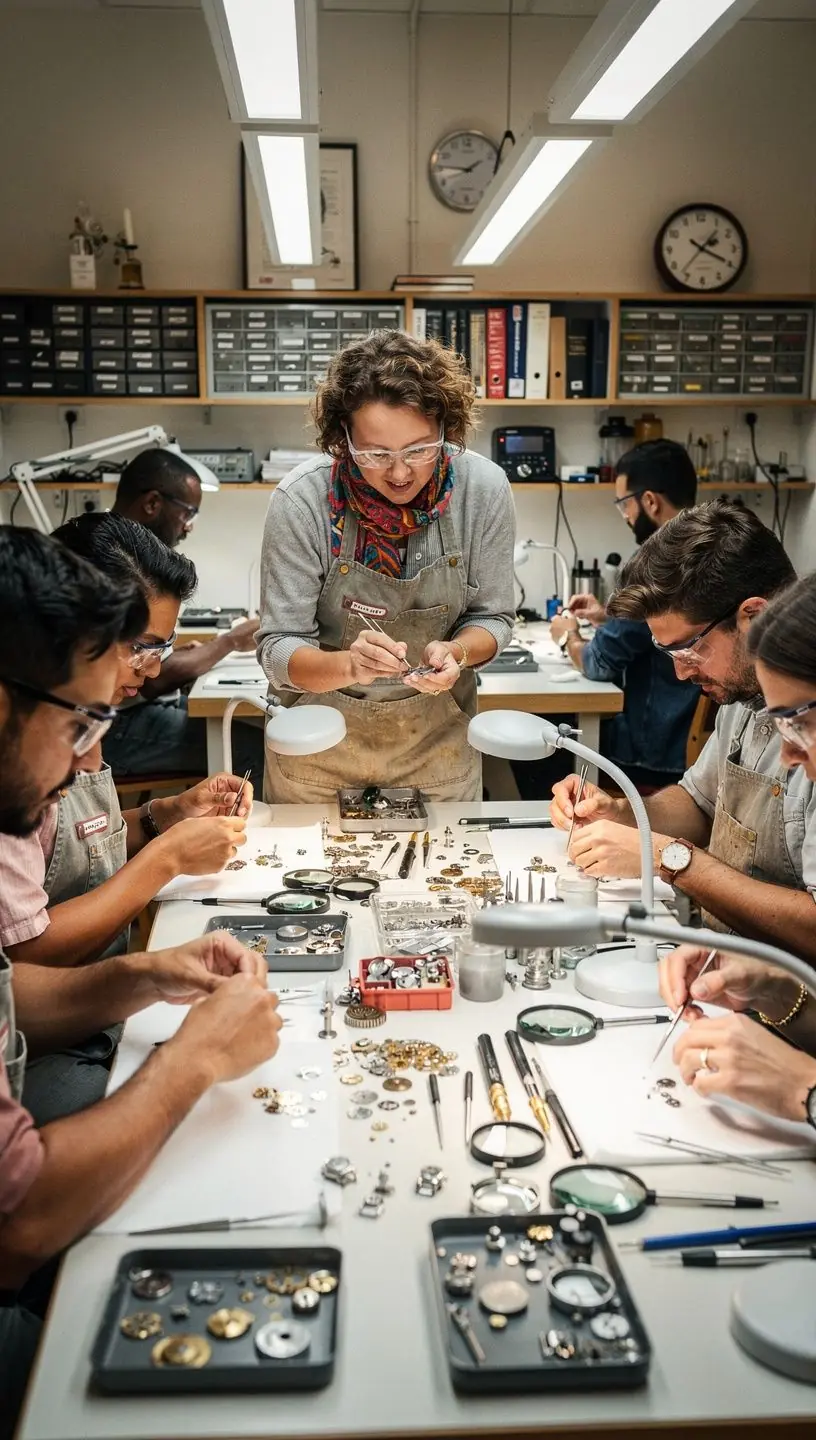
When you take your watch for servicing, it's essential to know what to expect. The process typically involves:
- Disassembly: The watch is carefully taken apart to access its internal mechanisms.
- Cleaning: Each component is cleaned with specialized solutions.
- Lubrication: New lubricants are applied to reduce friction.
- Reassembly and Testing: The watch is put back together, and its performance is tested to ensure accuracy.
This comprehensive approach not only enhances the watch's lifespan but also maintains its aesthetic appeal.
Conclusion
In summary, extending the lifespan of your mechanical watch involves a combination of regular cleaning, routine servicing, and careful usage. While this may require time and investment, it's essential for preserving the functionality and beauty of your timepiece. Following these guidelines can help ensure that your watch remains a cherished companion for years to come.
Learn More