Understanding Watch Restoration Processes
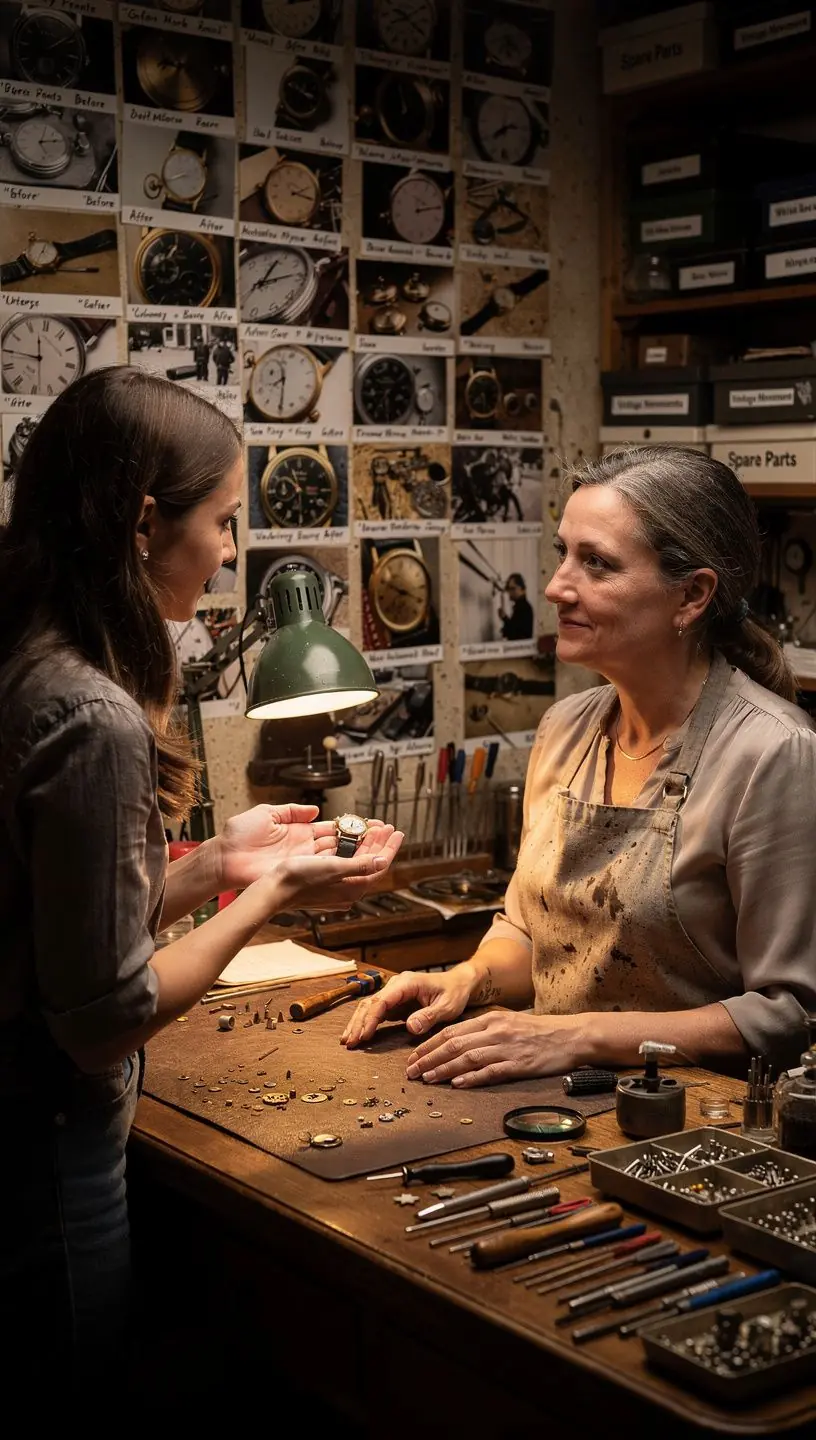
Watch restoration is a meticulous process that combines artistry with technical expertise. In this article, we delve into the key phases of watch restoration, guiding you through what to expect and how these processes enhance both the aesthetic and functional qualities of your timepiece.
The Basics of Watch Restoration
Watch restoration involves several stages, each critical to returning a watch to its optimal condition. According to industry standards, this process typically includes mechanical servicing, cosmetic restoration, and maintenance checks. Understanding these steps can help you appreciate the craftsmanship involved in bringing a watch back to life.
Mechanical Servicing
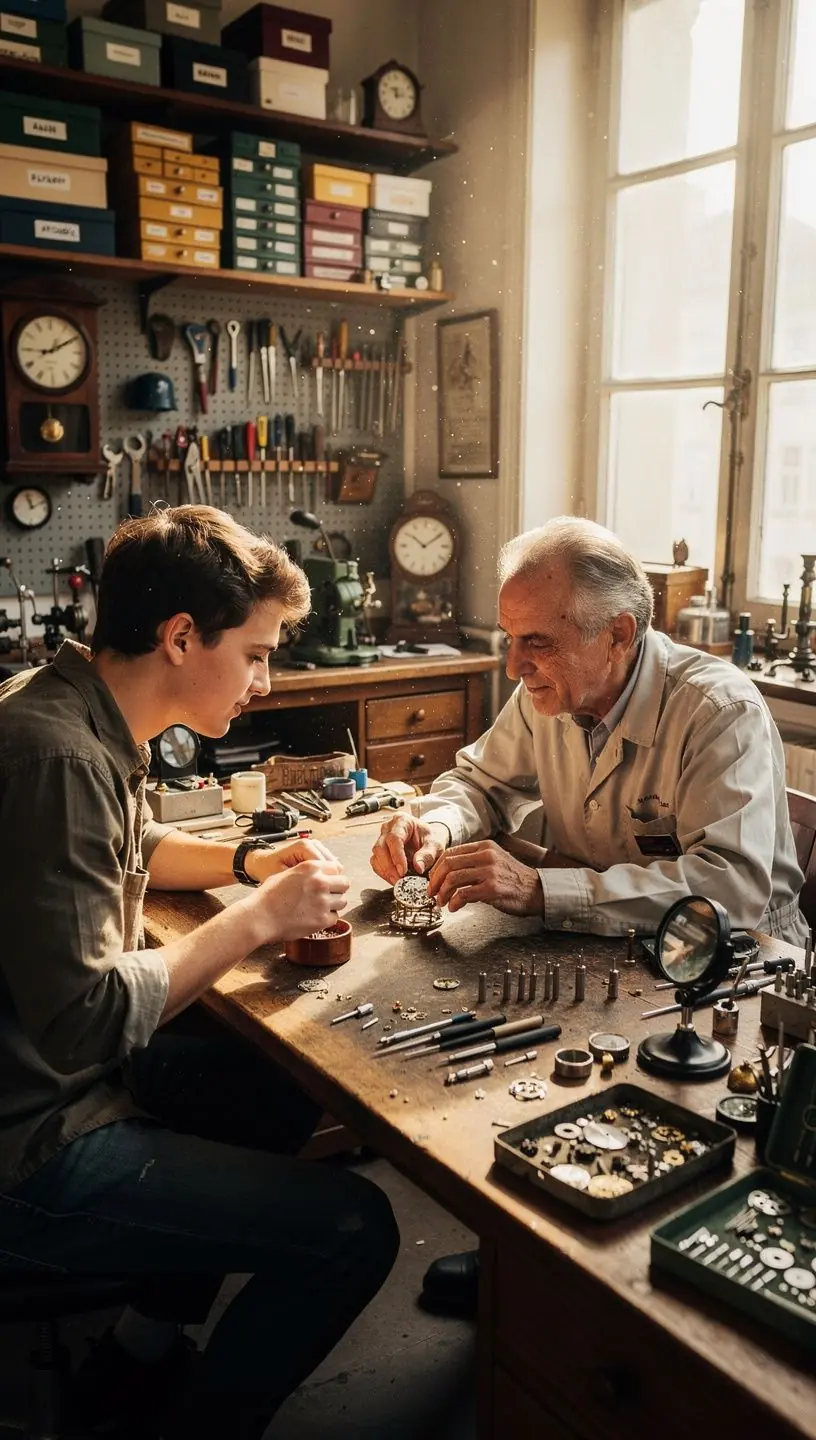
Mechanical servicing is often the first step in restoration. This phase involves:
- Dismantling the Movement: Watchmakers carefully take apart the mechanical components, ensuring each piece is documented for reassembly.
- Cleaning: All components are cleaned using ultrasonic cleaning machines, which help remove grease and dirt without damaging delicate parts. Research indicates that regular cleaning can enhance the lifespan of a watch significantly.
- Lubrication: Proper lubrication is critical; experts recommend using high-quality oils to reduce friction and wear in moving parts.
Cosmetic Restoration
Once the mechanical components are serviced, attention turns to the watch’s exterior. This usually includes:
- Dial Restoration: Restoring the watch face may involve repainting or cleaning, depending on the wear and tear observed. Many users report that a well-restored dial can significantly improve the watch's overall value.
- Case Polishing: The case may be refinished to remove scratches, restoring its original luster. However, it’s crucial to avoid over-polishing, which can alter the watch’s design features.
- Strap Replacement: A new band can refresh the watch's appearance, and using high-quality materials ensures durability.
"A well-executed restoration not only enhances visual appeal but also ensures the watch operates reliably for years." - Industry Expert
Maintenance and Diagnostics
The final stage in the restoration process is establishing a maintenance plan. Experts recommend regular servicing every 3-5 years, depending on the watch's use and environment. This can prevent future issues and extend the life of the timepiece.
Additionally, watchmakers often perform offline diagnostics to assess the watch's performance. This method allows for an in-depth evaluation of the movement, ensuring all components function harmoniously. Recognizing potential issues early can save time and money in the long run.
Conclusion
Understanding the watch restoration process equips you with the knowledge to appreciate the craftsmanship behind each timepiece. While the restoration typically requires a commitment of 2-4 weeks, the end result is often a beautifully restored watch that preserves its history while ensuring reliable performance. Remember, the goal of restoration is not just to enhance beauty, but also to maintain functionality, marrying art with engineering.
Learn More